
The sub-prefectures play an essential role in the administrative organization of France. Currently, there are 234 of them across the territory. These offices facilitate local management and ensure a direct link between citizens and the State.
In this article, we will explore in detail what a sub-prefecture represents. You will discover how these structures contribute to administrative decentralization. They improve access to public services for millions of users.
We will also address the various missions assigned to these institutions. They are indispensable for the smooth functioning of our republican services. Thus, we will guide you step by step to better understand how they operate and how to interact with local authorities.
Understanding the role and importance of sub-prefectures
Sub-prefectures are vital institutions in the French administrative organization. They provide essential public services by ensuring compliance with laws and safety across the territory.
The sub-prefect, a direct representative of the prefect, coordinates national policies within his district. This allows for an effective response to the needs of citizens. This presence of the State is particularly crucial in rural areas, where access to administrations can be complex for isolated residents.
- Sub-prefectures maintain a strong link between State services and local needs.
- The sub-prefect ensures the safety of populations in each administrative district.
- These offices facilitate advice and assistance to municipalities, thus contributing to good governance.
What is a sub-prefecture
Sub-prefectures act as administrative hubs in each district. Today, France has 233 sub-prefectures, a number that has evolved over the course of administrative reforms.
A sub-prefecture is the administrative center of a departmental district. It serves as an anchor point for local administration and its various services. The sub-prefect, as a representative of the State, plays a role of advice and arbitration. He is essential for resolving tensions within his district.
Historically, these structures were created to decentralize administrative action. This allows for more precise management of files in each specific district. Sub-prefectures provide essential proximity services, ensuring personalized support during complex administrative procedures.
The daily operation of a sub-prefecture relies on a dedicated team. This team assists the sub-prefect in his missions representing the State.
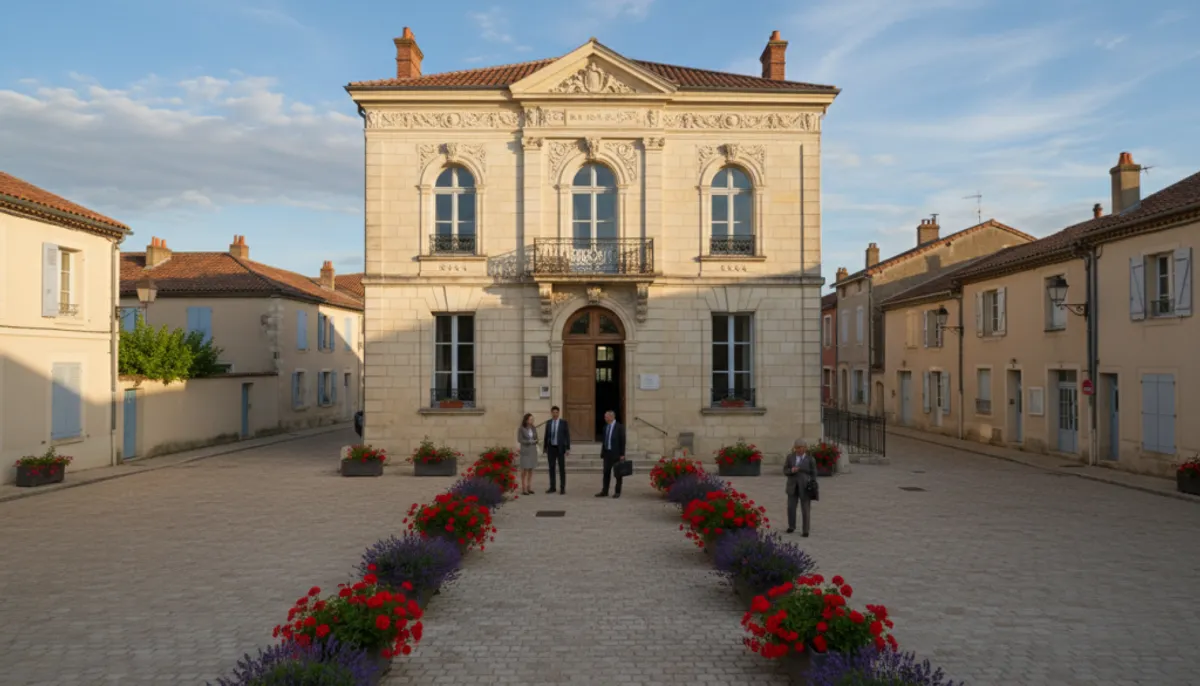
Registration procedure on rendezvousprefecture.com
Accessing administrative services becomes simpler thanks to modern platforms. The site rendezvousprefecture.com centralizes requests to facilitate access to sub-prefecture services.
To register quickly, here are some steps to follow:
- Your appointment at the prefecture is waiting for you, so register now on rendezvousprefecture.com to secure your spot quickly and efficiently.
- By using this platform, you will receive direct notifications via email and SMS as soon as slots open up in nearby sub-prefectures.
- This digital service provides a modern entry point to simplify your procedures and avoid unnecessary queues at administrative counters.
- Online registration allows users to access essential services without having to physically check the availability of slots.
- Receiving real-time alerts via email and SMS ensures that you won't miss any opportunity to finalize your important administrative files.
Historical perspectives and major reforms
The history of sub-prefectures is marked by significant reforms that have shaped their role. The creation of sub-prefectures dates back to the Law of 28 Pluviôse Year VIII, enacted by Napoleon I on February 17, 1800. This law aimed to divide the French territory for better administrative management.
A major turning point occurred with the Poincaré-Sarraut reform of September 26, 1926. This reform led to the abolition of 108 sub-prefectures, optimizing the operating costs of the administration. This changed the perception of the sub-prefect's role, who became a key player in territorial modernization.
More recently, in 2022, Emmanuel Macron announced the restoration of five sub-prefectures. This decision underscores the importance of maintaining a strong State presence in each district. Current experiments aim to modernize these institutions so that they continue to serve citizens effectively.

Local role and relationship with local authorities
At the heart of local administration, the sub-prefect acts as an advisor to elected officials. For example, in Étampes, he engages with the 75 municipalities of his district to support their projects.
The presence of the State is manifested through active support for local elected officials and the provision of administrative information. This guarantees the security and development of the territories. Sub-prefectures play a crucial role by providing a physical reception point to assist residents with their daily administrative procedures.
By funding local projects, the sub-prefect demonstrates the State's commitment to modernizing each municipality. The services offered by sub-prefectures are essential to ensure effective coordination between local elected officials and State services.
Conclusion
In conclusion, this article has highlighted the fundamental role of sub-prefectures in the administrative organization and security of our country.
The sub-prefect remains a key player of the State, ensuring a constant presence within each district to support elected officials and citizens.
Whether it involves funding projects for a municipality or providing proximity services, these structures remain indispensable on a daily basis.
We hope you now better understand the importance of these institutions and how to use digital tools for your procedures.
Don't forget to regularly check for updates regarding sub-prefectures to stay informed about administrative developments in your region.
FAQ
What is a sub-prefecture?
A sub-prefecture is a public administration that represents the State in a district. It is responsible for various missions, including security, civil status, and territory management.
What services are offered by the sub-prefecture?
Services include public reception, issuance of administrative documents, support for local projects, and assistance to municipalities in their procedures.
Who is the sub-prefect and what is his role?
The sub-prefect is the representative of the State in a district. He supervises State services, coordinates the actions of local authorities, and ensures the safety of citizens.
How to make an appointment with the sub-prefecture?
To make an appointment, it is recommended to use the site rendezvousprefecture.com, where you can choose a time slot that suits you.
What are the recent reforms concerning sub-prefectures?
Reforms have been implemented to modernize services, improve public reception, and strengthen the State's presence on the ground, particularly through experiments.
How does the sub-prefecture collaborate with local authorities?
The sub-prefecture acts as a privileged interlocutor for local elected officials, helping them with their administrative procedures and supporting the development of territorial projects, while taking into account the prefecture of affiliation.