
The role of prefect is essential in the French administration. Created by Napoleon Bonaparte in 1800, it represents the State in each department. Becoming a prefect is a noble ambition that requires a deep understanding of the workings of the State.
This guide will explain the steps to become a prefect. You will discover the academic paths, competitions, and appointments necessary to access this position. The profession demands unwavering integrity and the ability to represent the State with rigor.
As a senior official, the prefect ensures the continuity of public service. He ensures compliance with laws in each department. We will assist you in understanding the requirements of this prestigious career within the senior civil service.
Understanding the role of the prefect in the French administration
At the heart of the French administration, the prefect plays a crucial role. This senior official implements the government policy in his territory. He ensures the security of property and people, which is fundamental for the proper functioning of the State.
The prefect is also responsible for managing emergency services, such as the police, gendarmerie, and firefighters. Here are some of his essential missions:
| Mission | Responsibilities | Impact on the population |
|---|---|---|
| Public order | Ensure safety and compliance with laws | Protection of citizens |
| Election organization | Supervise the proper conduct of voting | Strengthen democracy |
| Public service | Provide quality service to citizens | Improve daily life |
In summary, the prefect is a key player in the administration, ensuring an effective public service and the security of citizens.
The path and training to become a prefect
Becoming a prefect requires a well-defined academic and professional pathway. The most obvious route to access this position is through integration into the INSP, formerly known as the National School of Administration (ENA). This school has been training senior State officials since its inception.
Interested candidates can enroll in a Master's in Law and Public Management after obtaining a bachelor's degree in law or political science. This allows them to acquire the necessary skills to navigate the complex field of administration.
Here are some typical paths to becoming a prefect:
- Integration into the INSP
- Training at the Special Military School of Saint-Cyr
- Training at the National School of the Judiciary
Prior experience in the public service is often required. This may include positions such as civil administrator or ministerial chief of staff. The prefect's job demands in-depth knowledge of public law, public management, and economics. The recruitment procedure in the prefecture is a crucial aspect to consider in this career.
| Pathway | Institution | Type of diploma |
|---|---|---|
| Senior official | INSP | Master's |
| Officer | Special Military School of Saint-Cyr | Military diploma |
| Magistrate | National School of the Judiciary | Magistrate diploma |
How to be a prefect: Appointment process and requirements
The appointment process for a prefect is essential to ensure good governance. Prefects are appointed by decree of the President of the Republic in the Council of Ministers, upon the proposal of the Prime Minister.
This appointment is a solemn act that formalizes the entry into office of the prefects. Here are the key steps in this process:
- The Prime Minister and the Minister of the Interior play a decisive role in selecting candidates.
- Decree No. 2022-491 of April 6, 2022, modernized the access conditions for members of the prefectural corps.
- A third of the prefects can be freely appointed by the Government, regardless of their prior status.
The selection process takes into account competence, experience, and sometimes political considerations within the government.
| Appointment elements | Details |
|---|---|
| Appointment act | Decree signed by the President |
| Role of the Prime Minister | Proposal of candidates |
| Access conditions | Modernized by decree |
The strategic missions of a prefect in the territory
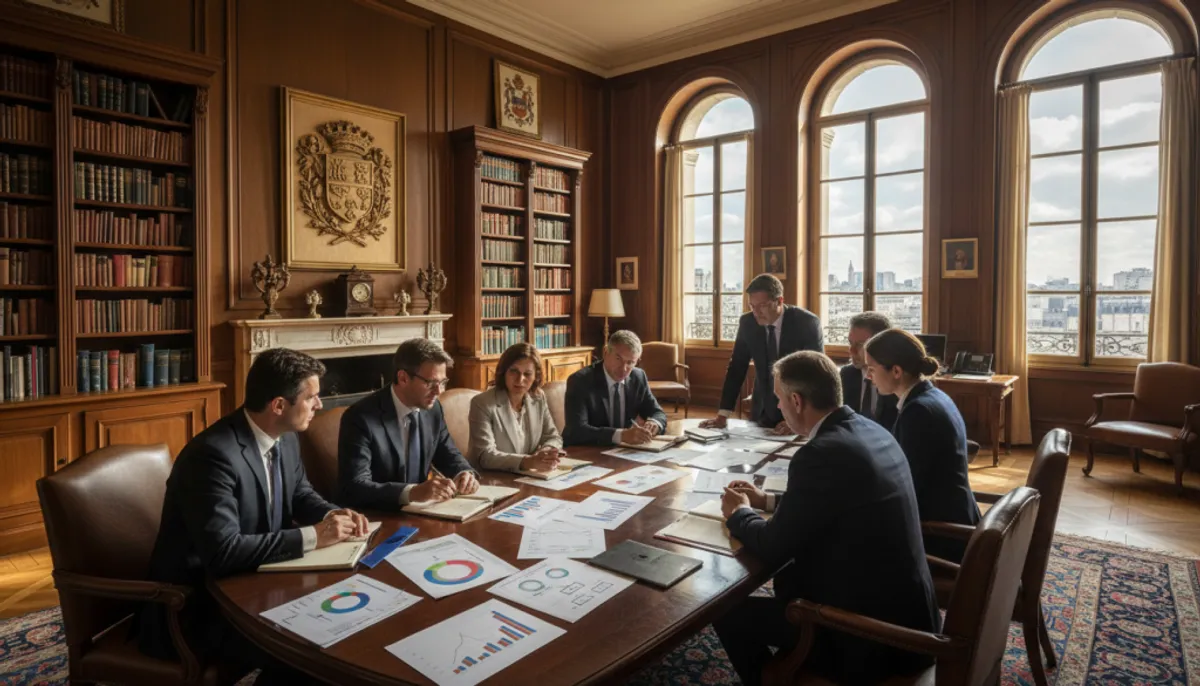
The missions of a prefect are varied and essential for the proper functioning of the State. As a representative of the State, the prefect ensures internal security by coordinating police and gendarmerie forces. This guarantees the maintenance of public order in his territory.
In times of crises, such as natural disasters or industrial accidents, the prefect leads the rescue operations. He works closely with the SAMU and firefighters to ensure a rapid and effective response.
Additionally, the prefect exercises crucial administrative control. He ensures that the actions of local authorities comply with current legislation. This role guarantees that decisions made at the local level align with State directives.
Finally, the prefect plays a key role in local development. He works with businesses to promote the economy and employment in his territory. Thus, he ensures the continuity of State services, overseeing the implementation of government decisions.
The role of the prefect in managing local authorities
The prefect plays a decisive role in managing local authorities. As a representative of the State, he ensures the coherence of public policies at the local level. This involves constant relations with municipal and departmental councils.
Since 1982, the prefect no longer holds the executive power of local authorities. However, he retains a mission of legality control. Sub-prefects assist the prefect in his interactions with local elected officials and in the administrative management of the department's districts, including administrative positions.
The prefect ensures that local authorities respect the national interests defined by the State and the Ministry of the Interior. This collaboration is essential for the harmonious development of territories and communities.
The importance of notifications and appointments in the prefecture
Notifications play a key role in organizing appointments in the prefecture. These alerts allow citizens to stay informed about availability and procedures to follow. By signing up on rendezvousprefecture.com, you can receive direct notifications by email and SMS as soon as slots open.
This digital approach helps prefects optimize the management of citizen flows. Here are some advantages of alerts:
- Facilitates access to public service.
- Reduces waiting times for users.
- Allows for better organization of appointments.
- Improves citizen satisfaction.
The Ministry of the Interior supports this modernization so that each prefect can effectively respond to the needs of the population. Sub-prefects and chief of staff are also involved to ensure smooth organization of appointments.
| Advantages of notifications | Details |
|---|---|
| Quick access | Real-time alerts for available slots |
| Optimized management | Reduction of waiting lines in prefectures |
| Citizen satisfaction | Improvement of user experience |
The historical evolution of the prefect's role
The role of prefect was established by Napoleon Bonaparte in 1800. Its main objective was to pacify the country and ensure an effective decentralization of the State. This decision marked the beginning of an era where prefects became key players in the French administration.
Over the decades, prefects have evolved with political changes. Under the Third Republic, they played a major role in spreading republican ideas in the countryside. Their presence helped strengthen the authority of the State in the territories.
Jean Moulin, an emblematic prefect of Eure-et-Loir, is an example of the commitment of prefects during World War II. His sacrifice and that of thirty-nine other prefects, who died for France, illustrate the importance of this role.
The prefectural function has adapted to contemporary demands. It has transitioned from an imperial administration to a modern and decentralized management. Today, prefects continue to ensure the continuity of public service, even in departments occupied during the conflicts of the 20th century.
Contemporary challenges of the prefect's profession
The profession of prefect is constantly adapting to new administrative realities. Prefects must navigate complex challenges, particularly in a rapidly changing environment where increased surveillance is essential to ensure security and effective resource management.
Among the major issues are:
- Managerial reforms: Prefects must adapt to reforms aimed at reducing State costs.
- Geographic mobility: The average duration of service in a department is about two years, requiring great flexibility.
- Security challenges: Coordination with police and rescue services is crucial for maintaining security.
- Administrative decentralization: Decisions must be made quickly at the local level before being escalated.
- Technological integration: The prefectural corps must use new technologies to improve public service.
These challenges highlight the importance of the prefect's role in the administration of the State and the need for continuous adaptation.
Resources and practical advice for succeeding in administration
Future prefects must rely on reliable resources to excel in their role. Knowledge of online tools and additional training is essential.
Here are some tips for proper preparation:
- Compensation: Normal class prefects earn between €5,557.82 and €6,566.99 gross per month, while senior prefects earn €6,808.21 gross per month.
- Official websites: Check the Ministry of the Interior's websites to discover career opportunities in the prefectural corps.
- Recommended training: Training in public management and management is advised to succeed in the entrance exams for the senior civil service.
- Alumni network: The INSP network is a valuable resource for obtaining advice on the prefect's profession.
- Knowledge of the territory: Mastering the workings of administration and knowing one's territory are major assets for any future prefect.

Conclusion
Accessing the role of prefect represents an ambitious and honorable goal. This path requires absolute loyalty to the State and a great ability to adapt to crises. The role of prefects remains central in the French administration, ensuring security and public order.
By following the appropriate training and engaging in public service, it is possible to achieve this prestigious rank. Don’t forget to use digital tools like rendezvousprefecture.com to facilitate your processes and stay informed about opportunities.
The career of prefect offers a unique opportunity to serve the Republic and actively contribute to the development of French territories.
FAQ
What are the main missions of a prefect?
The prefect's mission is to represent the State, ensure the application of laws, and maintain public order. He also coordinates the actions of various State services in his territory.
What diplomas are necessary to become a prefect?
To access this position, it is generally required to have a diploma at the bac + 5 level, often from a prestigious school or training in law, political science, or public administration.
How does the appointment process for a prefect work?
The appointment of a prefect is made by decree of the President of the Republic, after consulting the Minister of the Interior. This process includes an evaluation of the candidate's skills and experience.
What is the importance of public security in the role of a prefect?
Public security is essential in the missions of a prefect. He must ensure that necessary measures are taken to protect citizens and guarantee order in his territory.
How does a prefect interact with local authorities?
The prefect maintains close relations with municipal and departmental councils, ensuring good communication and effective collaboration for local development.
What tools are available to assist a prefect in his missions?
Prefects have various tools at their disposal, including online platforms for administrative management, as well as ongoing training to stay updated on legislative and regulatory changes.
What are the recent evolutions in the prefect's profession?
The profession of prefect has evolved with administrative reforms, requiring adaptation to new demands in public management and relations with citizens.