
The prefect assists the Prime Minister and ministers in a department. He implements the rules and decisions of the government. He works for the public good and the safety of the people.
The regional prefect is a special prefect. He is at the head of an important department in a region. There, he has responsibilities like a normal prefect.
Created by Napoleon in 1800, prefects have changed over time. Before 1982, they had another task in addition. However, a law has since assigned this task to other people.
Role and Functions of the Prefect
The prefect is the representative of the Prime Minister and ministers in a department. He enforces national policies and union in his area. His mission is to ensure the laws are upheld and to direct the services of the State.
He is also in charge of maintaining order and security for the people.
Implementation of Government Policies
The prefect is important for bringing government decisions to life on the ground. He ensures that everything runs smoothly according to the government's orders.
Ensuring the Application of Laws and Regulations
As a representative of the State, the prefect must ensure that laws are followed everywhere. He checks if various places, businesses, and citizens comply with the rules.
Organization of the Prefecture
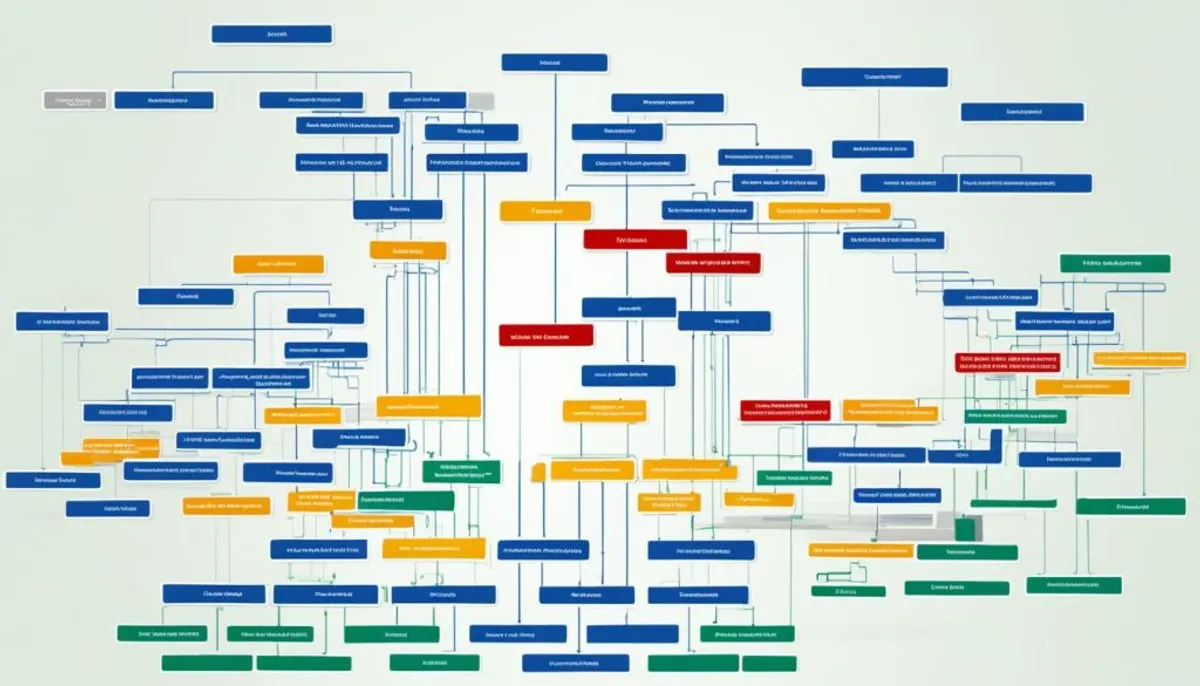
The department prefect works with a team. This includes a secretary general and heads of services. He also has a chief of staff and sub-prefects of the district. With their help, he manages the important missions of the department.
The Department Prefect
The prefect represents the State in a department. He implements national policies. He ensures that laws are followed and regulations enforced.
He directs the services and takes care of public order. He ensures the safety and protection of the people.
The Regional Prefect
The regional prefect leads the department where the regional capital is located. He has the same functions as a department prefect there. He also supervises the other prefects in his region, except in certain areas.
The Prefectural Team
The prefect has an important team. This includes a secretary general and a chief of staff. There are also sub-prefects of the district. Each has a role to assist the prefect.
The secretary general manages internal affairs. He handles human resources and finances. The chief of staff assists the prefect with various tasks.
The sub-prefects oversee and verify the work of the services. Each works in a specific area.
| Position | Holder | Date of Appointment |
|---|---|---|
| Prefect of the Provence-Alpes-Côte d’Azur region, prefect of Bouches-du-Rhône | Christophe Mirmand | July 29, 2020 |
| Chief of staff of the prefect of the Provence-Alpes-Côte d’Azur region, prefect of Bouches-du-Rhône | Nicolas Hauptmann | July 17, 2023 |
| Sub-prefect in charge of the mission for the follow-up of the Marseille en Grand plan | Virginie Avérous | January 1, 2024 |
| Secretary general of the Bouches-du-Rhône prefecture, sub-prefect of the Marseille district | Cyrille Le Vély | August 25, 2023 |
| Secretary general of the Southern defense and security zone | Olivier Marmion | November 25, 2022 |
| Secretary general for regional affairs | Didier Mamis | March 21, 2022 |
| Sub-prefect of the Aix-en-Provence district | Bruno Cassette | January 16, 2021 |
| Sub-prefect of the Arles district | Cécile Lenglet | November 14, 2022 |
| Diplomatic advisor to the regional prefect of Provence-Alpes-Côte d’Azur | Marianne Ziss | June 1, 2023 |
| Commissioner for productive recovery for the Provence-Alpes-Côte d’Azur region | Laurent Neyer | N/A |
What is a Prefect?
The word "prefect" comes from the Latin praefectus, which means "placed at the head." It refers to a man who leads an organization (like a governor). For two centuries, prefects have been very important in France.
Definition of the Term "Prefect"
A prefect represents the State in a department or region. He implements national policies and ensures that laws are properly enforced.
History and Origins of the Prefectural Institution
The prefectural institution began with the law of 28 Pluviôse Year VIII. This law was enacted after the Revolution of 1789. Since then, the State has remained the same everywhere, which has helped keep the country united.
| Key Statistics | Figures |
|---|---|
| Number of prefects in office | 124 |
| Number of sub-prefects in office | 479 |
| Prefects cannot be local elected officials or parliamentarians | Yes |
| Delay before running for elections in their department | 3 years |
Appointment and Obligations of a Prefect
The prefect is chosen by decree of the President of the Republic. This is done with the agreement of the Prime Minister and the Minister of the Interior. He is a very important official with special rules to follow.
As he represents the State, a prefect must respect government decisions. He cannot go against them or go on strike. He is not allowed to join a union.
Appointment Process
Prefects often come from the National School of Administration (ENA). They can change workplaces or be removed by the government. It is the President who selects them, following a proposal from the Prime Minister.
Obligations and Restrictions
Prefects must remain politically neutral. They must follow existing policies. They cannot be local elected officials or parliamentarians at the same time.
After finishing their work, they must wait three years to run for elections. This must be done in the department where they worked.

Attributions and Powers of the Prefect
The prefect helps maintain the sovereignty of the law everywhere, including in the metropolitan prefectures. He ensures that the law is the same throughout France.
In his department or region, the prefect represents the State. He enforces State laws in these areas.
Public Order and Security
The prefect maintains public order and ensures security. He makes sure that laws are followed by everyone, including local authorities.
He allows everyone to enjoy their rights and freedoms.
Legality Control
The prefect checks that laws are respected by towns and villages, and he also ensures legality control. He helps coordinate government actions locally.
This concerns employment, economic development, and the environment, among others.
Management of State Allocations
Prefects also manage State funds for their region. This includes grants to local authorities.
| Statistics | Data |
|---|---|
| Number of prefects and sub-prefects in service | 125 prefects and 456 sub-prefects |
| Proportion of women in the prefectural corps | 100 women, including 15 prefects (12% of the total) |
| Average duration of prefect assignments | About 3 years in the same department |
The prefect is the representative of the State in his region. He ensures the application of laws and maintains order. He also checks the legality of local authorities' actions.
The Prefect in Departments and Regions
The regional prefect is also the prefect of the main department of that region. He has powers like a prefect in departments. He leads the other prefects in the area, except for a few special subjects.
The prefect in regions works with a secretary general. He also has heads of service, a chief of staff, and sub-prefects of the district under him.
| Key Statistics | Data |
|---|---|
| Percentage of female prefects | 12% |
| Total number of prefects and sub-prefects | 581 |
| Average duration of a prefect's assignment | Nearly 3 years |
| Origin of prefect recruitment | ENA, prefecture, private sector, other administrations |
| Number of prefects and prefects in office | 127 |
| Number of districts managed by sub-prefects | 332 |
The Law of 28 Pluviôse Year VIII (February 17, 1800) created three levels of administration in France. These levels are prefect in departments, sub-prefect, and mayor. Prefects work on issues such as security and equal opportunities. They manage State funds at the local level.
Prefects lead the State services in their region, except for a few special tasks.
Evolution of the Role of the Prefect
The role of the prefect in France has changed significantly. This is due to decentralization and recent reforms. These changes have adjusted his missions and responsibilities.
Impact of Decentralization
Created by Napoleon in 1800, prefects have seen their tasks change with decentralization. Before 1982, they represented the State and had executive power in a department. But the law of March 2, 1982, changed that. It transferred executive power to the presidents of general councils (which became departmental councils in 2015) and regional councils.
Recent Reforms
At the same time, recent reforms have continued to shape the role of the prefect. Now, the prefect acts as a local leader of government policies. He helps coordinate and supervise the actions of local authorities. Most importantly, he ensures that everything done respects the national interest.
Conclusion
The prefect is very important in France. He assists the Prime Minister and ministries at the local level. For example, he manages policies and maintains order.
He plays a major role between the State and the cities. Even though his work has changed, he has remained important since 1800. He helps to unite the country.
The prefect works with elected officials and the public. This is crucial for everything to go well in France. His role is still discussed today.